
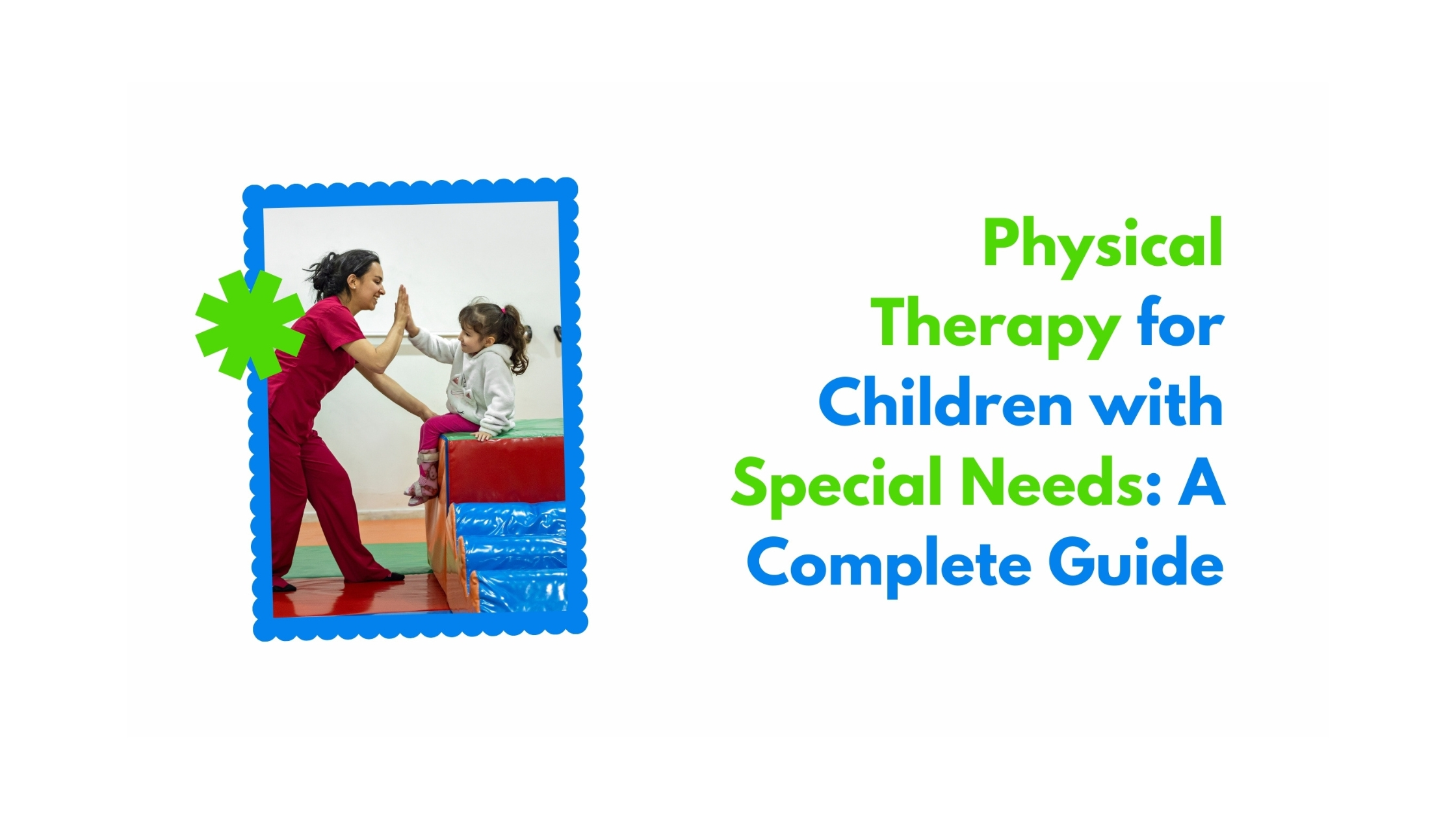
The playground is full of children running, climbing, and chasing each other.. Not because they don’t want to join—but because their body won’t cooperate the way other children’s bodies do. The gap between their desire to play and their physical ability to participate grows wider with each birthday, and that familiar question surfaces again: What will help my child reach their milestones?
Many assume that a child that experiences physical limitations will permanent boundaries that simply must be accepted. But when a pediatrician suggests physical therapy, something shifts. Suddenly, there’s a possibility that there was only resignation. Yet alongside that hope comes uncertainty: What exactly will physical therapy do? How do you find the right therapist? Will insurance cover it? And most importantly, can it really make a meaningful difference in your child’s life?
Physical therapy for children with special needs isn’t just about strengthening muscles or improving coordination. It’s about opening doors to independence, participation, and confidence that seemed permanently closed. The right pediatric physical therapy transforms daily struggles into achievable challenges, helping children experience their world more fully. This comprehensive guide explores how physical therapy works, what to expect, and how to choose services that genuinely support your child’s development and your family’s needs.
What is Pediatric Physical Therapy, and Why Does it Matter?
Pediatric physical therapy is a specialized healthcare service focused on helping children develop, improve, or regain physical abilities necessary for movement, function, and participation in daily life. Unlike adult physical therapy, which often focuses on returning to previous function after injury, physical therapy for children addresses developmental delays, congenital conditions, and neurological disorders that affect how children learn movement skills for the first time.
Physical therapists who specialize in pediatrics understand typical developmental sequences, recognize when children deviate from expected patterns, and create interventions that build foundational skills necessary for future milestones. They work with children experiencing diverse conditions, cerebral palsy, Down syndrome, muscular dystrophy, developmental delays, genetic disorders, traumatic injuries, and countless other diagnoses affecting movement, strength, balance, or coordination.
For children with complex medical conditions, physical therapy is often most effective when combined with ongoing medical support. PPEC nursing services work alongside therapists by monitoring each child’s health, managing medical needs, and ensuring therapy sessions can be completed safely. This collaborative approach helps children make steady progress while receiving comprehensive, coordinated care.
Why Physical Therapy Matters for Development
The impact of quality pediatric physical therapy extends far beyond the therapy room. Research shows that children with cerebral palsy who receive consistent physical therapy demonstrate improvements in upper extremity strength and mobility, foot rolling, hand use, and overall functional abilities. These gains translate directly into increased independence in daily activities, such as dressing, feeding, playing, and participating in school and community life.
When children cannot move typically, secondary complications often develop. Muscles that aren’t used regularly can shorten and tighten, creating contractures that limit the range of motion and cause pain. Joints that don’t move through full ranges can develop deformities. Bones that don’t bear weight appropriately may not develop optimal density. Physical therapy for kids prevents these complications proactively, maintaining flexibility, preserving joint health, and supporting overall physical development.
Perhaps most importantly, pediatric physical therapy, combined with occupational therapy, enables children to participate more fully in everyday activities. Children who can sit independently are invited to join circle time at school. Those who can walk participate in playground activities with peers. Kids who develop the coordination to use adaptive equipment gain access to experiences that once seemed impossible. This participation supports not only physical development but also social connections, self-esteem, independence, and overall quality of life.
Types of Pediatric Physical Therapy Approaches
Physical therapy for children encompasses a diverse range of therapeutic approaches, each designed to address specific types of movement challenges. Understanding these approaches helps families make informed decisions and have productive conversations with potential therapists.
Neurodevelopmental Treatment (NDT)
Neurodevelopmental Treatment, also known as the Bobath approach, focuses on facilitating normal movement patterns and preventing compensatory strategies that might limit long-term function. Therapists use specific handling techniques to guide children through movements, helping their nervous systems experience and learn typical patterns. NDT emphasizes functional skills practiced in contexts where children will actually use them, such as dressing, eating, playing, and participating in school activities.
Constraint-Induced Movement Therapy (CIMT)
For children with hemiplegia (weakness affecting one side of the body), CIMT temporarily restrains the stronger side, forcing concentrated use of the weaker limb. Through intensive, repetitive practice with the affected side, this approach creates significant functional gains by rewiring neural pathways and preventing learned non-use. CIMT typically involves task-specific practice activities, such as stacking, grasping, and releasing objects, as well as feeding tasks, combined with positive reinforcement to encourage continued use of the affected limb.
Developmental and Milestone-Based Therapy
This approach focuses specifically on helping children achieve age-appropriate developmental milestones, including rolling, sitting, crawling, standing, and walking. Therapists use play-based activities, interactive games, and sensory stimulation to engage children while targeting specific developmental areas. These exercises aim to improve hand-eye coordination, object manipulation, grasping, reaching, and other essential skills that form the foundation for more complex movements.
Aquatic Therapy
Water’s buoyancy reduces the effects of gravity, making movements easier and less painful while still providing resistance for strengthening. Aquatic therapy benefits children with multiple conditions, offering opportunities to practice skills that are difficult on land while making therapy feel more recreational rather than clinical. The controlled environment allows children to experience movement patterns they might not achieve on land, building confidence and motor memory that transfers to daily activities.
Gait Training and Balance Therapy
Specialized techniques help children develop or improve walking patterns and balance skills. This may involve treadmill training with body-weight support systems, balance activities on various surfaces, coordination exercises, and practice using assistive devices such as walkers or canes. Gait training focuses on developing efficient, sustainable walking patterns that children can use functionally in their daily environments.
Musculoskeletal and Orthopedic Therapy
This approach addresses bone and joint conditions, post-surgical rehabilitation, and injuries affecting the musculoskeletal system. Therapists work on strengthening specific muscle groups, improving range of motion, managing pain, and facilitating recovery after orthopedic procedures or injuries.
Sensory Integration and Vestibular Therapy
For children whose movement challenges stem partly from sensory processing difficulties, this approach helps them process and respond appropriately to sensory input. Activities may involve exposure to various textures, sounds, and movements to help children develop appropriate responses to sensory stimuli and enhance their motor planning abilities.
How to Evaluate and Choose the Right Physical Therapy Service
Selecting the appropriate physical therapy for your child requires a careful evaluation of multiple factors, including your child’s specific needs, the therapist’s qualifications, treatment approaches, and practical considerations such as location and insurance coverage.
Assessing Your Child’s Physical Therapy Needs
Begin by collaborating with your child’s healthcare team to clearly identify the physical challenges that require intervention. A comprehensive assessment should examine gross motor skills, muscle tone, strength, range of motion, balance and coordination, posture and alignment, and functional mobility in everyday environments, such as the home and school.
Key factors to evaluate include:
- Specific diagnoses or conditions affecting movement
- Current developmental level versus age-appropriate expectations
- Equipment needs (orthotics, braces, mobility devices)
- Behavioral considerations that may affect therapy participation
- Family priorities and the most important functional goals
- Frequency and duration of therapy are likely needed
- Whether therapy will occur in clinic, school, home, or a combination of settings
Researching Qualified Pediatric Physical Therapists
Start by choosing a qualified pediatric physical therapist who specializes in treating children with conditions similar to your child’s diagnosis. These specialists understand child development, age-appropriate treatment techniques, and family-centered care, allowing them to create therapy programs that improve mobility, strength, balance, and independence while supporting each child’s unique goals.
During your initial research, gather information about:
- Years of experience in pediatric physical therapy
- Specific conditions and age groups that the therapist treats regularly
- The therapeutic approaches and techniques the therapist uses
- Clinic or practice location, hours, and appointment availability
- Accepted insurance plans and billing practices
- Communication style and willingness to collaborate with families
Verifying Credentials and Specializations
All physical therapists must hold a Doctor of Physical Therapy (DPT) degree and pass the National Physical Therapy Examination (NPTE) to obtain state licensure. However, additional specialization in pediatrics demonstrates advanced expertise and commitment to this population.
Important credentials to verify include:
- Current state physical therapy license in good standing
- Doctor of Physical Therapy (DPT) degree from an accredited program
- Board Certification in Pediatric Physical Therapy from the American Board of Physical Therapy Specialties (ABPTS), which requires 2,000 hours of pediatric practice and passing a specialty examination
- Specialized training in specific approaches relevant to your child’s needs (NDT certification, CIMT training, aquatic therapy certification)
- Continuing education in current pediatric physical therapy practices
- Professional memberships in organizations like the American Physical Therapy Association’s pediatric section
Evaluating Treatment Philosophy and Approach
The therapist’s treatment philosophy has a significant impact on your child’s experience and outcomes. During consultations, assess whether the therapist demonstrates a family-centered, play-based approach that respects your child’s dignity and incorporates family priorities into the goal-setting process.
Look for therapists who:
- Explain their treatment approach clearly in language you understand
- Ask about your family’s priorities and most important functional goals
- Demonstrate genuine warmth and patience with children
- Use play-based, engaging activities rather than drill-based exercises
- Focus on functional skills children will use in daily life
- Involve families in therapy sessions and teach home activities
- Communicate regularly about progress and adjust goals collaboratively
- Recognize when to refer to other specialists or modify approaches
What to Expect in Physical Therapy Sessions
Understanding what actually happens during pediatric physical therapy helps families approach initial sessions with realistic expectations and productive engagement.
The Initial Evaluation
First appointments typically last 60-90 minutes and focus on a comprehensive assessment. Therapists observe how children move spontaneously, assess their responses to specific activities, measure range of motion and strength, and thoroughly review their developmental history, current concerns, and family goals. This evaluation yields a detailed report that identifies specific areas of need, establishes measurable goals, and recommends treatment frequency and duration.
Typical Treatment Session Structure
Once therapy begins, sessions typically last 30-60 minutes and occur one to three times weekly, depending on the child’s needs and insurance coverage. Effective physical therapy for children often resembles play rather than traditional clinical exercises. Therapists use age-appropriate activities, such as bubbles, balls, climbing equipment, games, and toys, that motivate children while targeting specific therapeutic objectives.
A therapist might:
- Encourage crawling by placing favorite toys slightly out of reach to build core strength
- Practice balance through games on therapy balls or balance beams
- Develop leg strength through jumping activities on trampolines
- Improve coordination with obstacle courses adapted to the child’s abilities
- Practice walking patterns using parallel bars, walkers, or therapist assistance
- Build upper body strength through climbing activities and weight-bearing exercises
Home Exercise Programs and Family Training
Quality pediatric physical therapy extends beyond scheduled sessions through home programs that reinforce skills. Therapists teach families specific activities, stretches, and positioning strategies to incorporate into daily routines—making therapy a consistent part of life rather than isolated weekly events.
Insurance Coverage and Financial Considerations
Understanding insurance coverage for physical therapy for children is essential for planning sustainable care arrangements.
Medicaid and Early Intervention Programs
Many states provide Medicaid coverage for medically necessary physical therapy services for children with documented developmental delays or medical conditions affecting movement. Children under age three may qualify for Early Intervention programs that provide therapy at no cost to families when evaluations document developmental delays.
Private Insurance Coverage
Private insurance typically covers physical therapy for kids when deemed medically necessary, though plans vary significantly in the number of sessions covered annually and may require prior authorization. Review your specific plan’s rehabilitation benefits, prior authorization requirements, in-network versus out-of-network coverage, and any annual or lifetime visit limits.
School-Based Services
Children who qualify for special education services through an Individualized Education Program (IEP) may receive physical therapy at school at no cost to families when therapy is necessary for the child to access their education. School-based therapy focuses specifically on educational participation rather than comprehensive medical treatment.
Final Thoughts
Choosing the right physical therapy service for your child with special needs requires a careful evaluation of the therapist’s qualifications, treatment approaches, practical considerations, and family priorities. The right pediatric physical therapy provides safe and effective interventions, supporting your child’s overall development by building physical abilities that enable greater independence and participation in life’s meaningful activities.
Quality child physical therapy respects children as whole people, celebrates incremental progress, involves families authentically as partners, and maintains focus on functional skills that improve daily life. When these elements align, children gain not just movement but the confidence and capability to engage more fully with their world.
At PPEC of Palm Beach, we understand that physical therapy is just one part of helping children with complex medical needs reach their full potential. Our multidisciplinary team combines skilled nursing, specialized therapies, and individualized developmental support to create a coordinated care plan that helps children build strength, improve mobility, and gain greater independence while supporting families every step of the way.
FAQs
At what age should my child start physical therapy?
Pediatric physical therapy can begin in infancy when concerns arise about muscle tone, movement patterns, or developmental milestones. Early intervention often produces better outcomes because young nervous systems demonstrate greater neuroplasticity. However, children benefit from physical therapy at any age when mobility challenges affect function or quality of life.
How long will my child need physical therapy?
Duration varies tremendously based on diagnosis, severity, and individual response. Some children need intensive therapy for specific periods following surgery or injury, then graduate to maintenance programs. Others with progressive or chronic conditions may benefit from ongoing physical therapy for kids throughout childhood to maintain skills and address new challenges as they grow.
What qualifications should I look for in a pediatric physical therapist?
All physical therapists must hold a Doctor of Physical Therapy degree and be licensed in their state. Board Certification in Pediatric Physical Therapy from ABPTS (American Board of Physical Therapy Specialists) demonstrates advanced specialization, requiring 2,000 hours of pediatric practice and passing a specialty examination. Seek therapists with specific experience in conditions similar to your child’s diagnosis and training in therapeutic approaches appropriate for their needs.
Will my insurance cover physical therapy?
Most insurance plans cover medically necessary physical therapy for children, though coverage limits vary. Medicaid typically covers therapy when documented as medically necessary. Private insurance plans vary in annual visit limits and may require prior authorization. Children under three with developmental delays may qualify for Early Intervention services at no cost through state programs.
How can I tell if physical therapy is actually helping my child?
Therapists should establish measurable goals during initial evaluations and conduct formal reassessments every few months to document progress and evaluate outcomes. Changes may include an improved ability to perform specific skills (such as sitting independently or walking with less support), increased strength or endurance, better participation in daily activities, or reduced pain and discomfort. Reviewing videos from months earlier often reveals gains families couldn’t see developing gradually.