
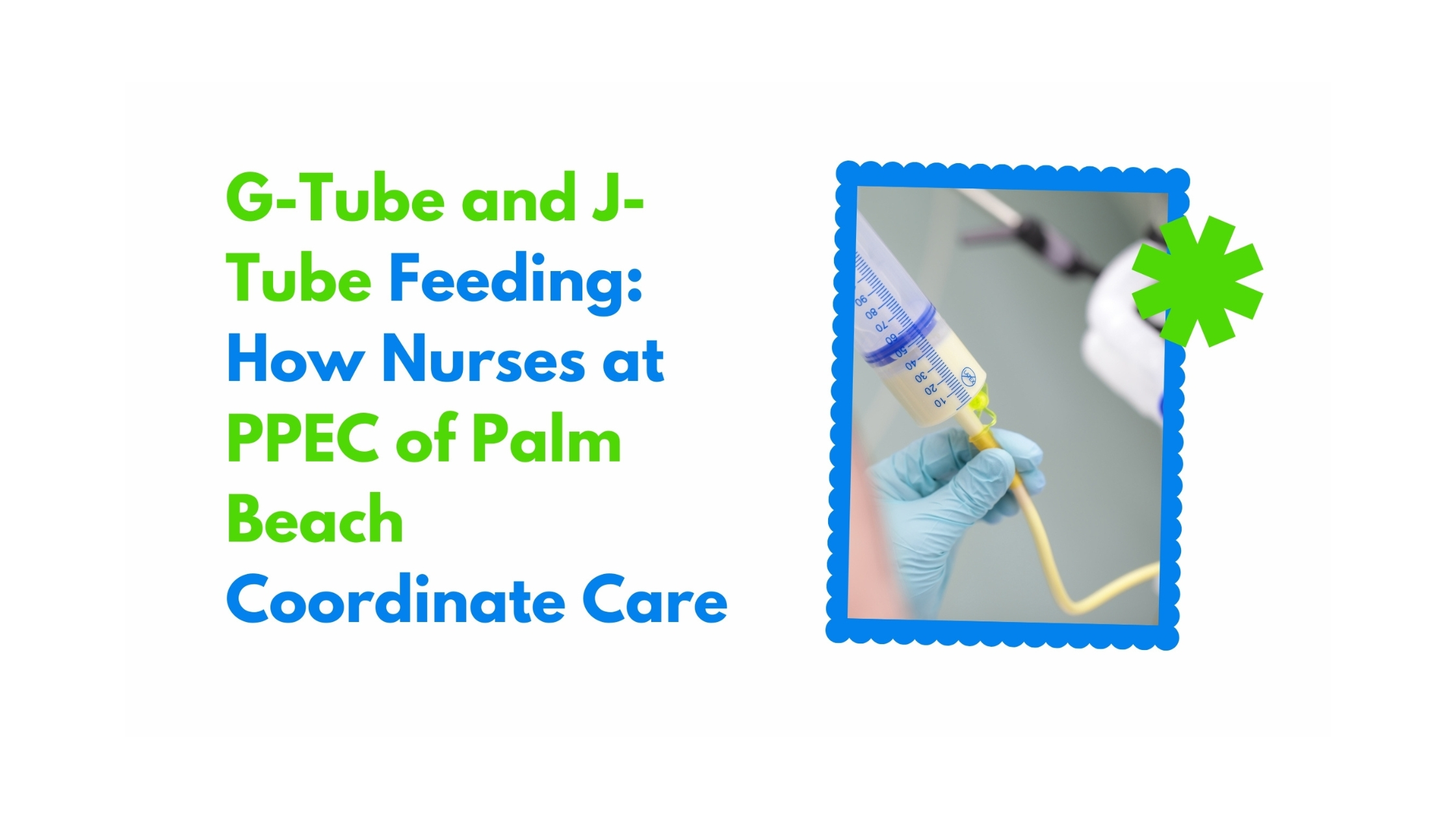
Three in the morning. The house is quiet except for the steady click of a feeding pump. A parent lies awake, running through tomorrow’s mental checklist—formula prepared, syringes packed, backup supplies ready. But beneath the practical preparations lies a deeper worry that won’t quiet: What if no one else can do this right? What if something happens and the caregiver doesn’t notice? What if their child needs them and they’re not there?
This fear isn’t irrational; it’s born from experience. Parents of children that require tube feeding become experts through necessity, learning to read subtle cues that signal discomfort, recognizing the early signs when something isn’t right, and developing an almost instinctive understanding of their child’s needs. The thought of entrusting this responsibility to someone else, even temporarily, can feel daunting. Yet the reality remains that families cannot function with one parent providing 24/7 medical care indefinitely.
PPEC of Palm Beach understands this precise fear because the nurses there have earned the trust of countless families facing this same dilemma. They bring specialized training in pediatric tube feeding combined with the patience to learn each child’s unique patterns, preferences, and communication style. This article explores how PPEC nurses coordinate gastrostomy tube care with the vigilance parents need to finally rest easier, knowing their child is in genuinely capable hands.
Understanding G-Tubes and J-Tubes
When physicians recommend enteral feeding, or tube feeding, for a child, families encounter terminology that can feel overwhelming at first. Understanding the difference between feeding tube types provides essential context for why specific nursing expertise matters so profoundly.
A gastrostomy tube (commonly called a G-tube) is surgically placed directly through the abdominal wall into the stomach. This small opening, called a stoma, allows nutrition, fluids, and medications to bypass the mouth and esophagus entirely. G-tubes serve children who cannot safely swallow or need supplemental nutrition but have normally functioning digestive systems.
J-Tube Feeding operates differently. A jejunostomy tube delivers nutrition directly into the jejunum—the middle section of the small intestine—bypassing both the stomach and upper digestive tract. These tubes are essential for children who experience severe gastroesophageal reflux, chronic vomiting, delayed gastric emptying, or have gastric motility disorders. Unlike G-tube feeding, which can be delivered via a bolus method, J-tubes typically require continuous feeding administered through a pump.
Why Children Need Tube Feeding Support
Children require enteral feeding support for numerous medical reasons:
- Neurological conditions affecting swallowing ability or coordination
- Congenital abnormalities of the mouth, throat, or digestive tract
- Premature birth with underdeveloped feeding reflexes
- Congenital heart conditions requiring precise caloric intake
- Gastrointestinal disorders preventing normal digestion
- Chronic illnesses causing insufficient oral intake or failure to thrive
- High aspiration risk that makes oral feeding dangerous
The decision to place a tube represents a significant step in a child’s medical journey. Still, for many families, it becomes the pathway to better growth, reduced hospitalizations, and improved quality of life.
How PPEC Nurses Coordinate G-Tube Feeding Care
The coordination of tube feeding at PPEC of Palm Beach operates through systematic protocols, specialized training, and unwavering attention to each child’s unique needs. This level of coordination doesn’t happen by accident—it reflects the specialized nature of PPEC nursing care.
Individualized Feeding Plans
Every child arrives at PPEC with unique nutritional requirements, feeding schedules, and medical considerations. PPEC nurses work directly with families, physicians, and dietitians to implement detailed care plans that specify:
- Exact formula type, concentration, and caloric density
- Feeding schedule (continuous, bolus, or combination approach)
- Rate of delivery and total daily volume requirements
- Positioning requirements during and after feedings
- Medication timing coordinated with nutrition delivery
- Specific signs and symptoms requiring nursing intervention
These plans function as living documents that nurses reference throughout the day, adjusting based on how each child responds to feedings. Rather than rigid protocols applied universally, PPEC nurses understand that successful g tube feeding requires flexibility and clinical judgment.
Pre-Feeding Assessment Protocol
Before initiating any feeding, PPEC nurses perform thorough assessments that identify potential problems before they escalate into complications:
- Verifying tube placement by checking external tube length markings
- Assessing residual stomach contents when applicable
- Evaluating the child’s comfort level, positioning, and readiness
- Reviewing recent bowel movements and hydration status
- Inspecting the stoma site for signs of infection, leakage, or irritation
- Confirming all equipment is clean, functional, and properly connected
This consistent vigilance catches issues early—when a tube has migrated slightly, when a stoma shows early signs of irritation, or when a child demonstrates feeding intolerance. Early detection prevents minor concerns from becoming medical emergencies.
Medication Administration and Coordination
For medically complex children, medications must be administered precisely around feeding times. Some medications require administration on an empty stomach, while others need food in the digestive tract for proper absorption. PPEC nurses monitor and manage these needs daily, understanding which medications can be safely administered through the gastrostomy tube and which require alternative routes.
They properly flush tubes before and after each medication administration, prevent drug interactions, crush medications as needed, and keep meticulous documentation so that physicians and families remain informed. This level of coordination ensures children receive therapeutic medication benefits without compromising their nutritional intake or increasing risk of adverse events.
Monitoring and Troubleshooting Complications
Even with perfect technique, pediatric tube feeding sometimes presents challenges that require immediate nursing intervention. PPEC nurses possess the clinical expertise to recognize and respond to complications:
Tube-Related Issues
- Tube migration or complete dislodgement requiring replacement
- Clogged tubes requiring irrigation with warm water or enzymatic solutions
- Leakage around the stoma site indicating tube fit problems
- Balloon deflation in balloon-type tubes
Feeding Intolerance Symptoms
- Increased residual volumes suggest delayed gastric emptying
- Vomiting, retching, or signs of reflux during or after feeds
- Abdominal distention, cramping, or discomfort
- Diarrhea or constipation requiring formula or rate adjustments
- Changes in bowel sounds or patterns
Site Complications
- Redness, swelling, or purulent drainage indicating infection
- Hypergranulation tissue requiring treatment
- Skin breakdown from moisture or irritation
- Bleeding at or around the insertion site
Rather than panicking when issues arise, PPEC nurses calmly assess, troubleshoot, implement solutions, and communicate with physicians when medical intervention becomes necessary. For families, this expertise provides invaluable peace of mind during work hours.
Family Communication and Education
Perhaps the most undervalued aspect of PPEC nursing care is the continuous education and support provided to families. Nurses share daily observations about feeding tolerance, teach new techniques as children grow, and answer the countless questions that arise when managing complex medical care at home.
They celebrate milestones—whether transitioning to a new formula, increasing feeding volumes, or a child showing interest in oral tastes and textures. These professionals understand that behind every feeding tube is a family navigating uncertainty, and their support extends far beyond clinical tasks.
The PPEC Advantage for Tube-Fed Children
Choosing PPEC of Palm Beach for a tube-dependent child offers distinct advantages over attempting to navigate traditional childcare or managing care entirely at home.
Staff-to-Child Ratios That Enable Vigilant Care
PPEC centers maintain nurse-to-child ratios that enable continuous monitoring, which is necessary for g-tube feeding. With typical ratios of around 1:2 or 1:3, nurses can provide individualized attention throughout feeding times, respond promptly to concerns, and maintain the vigilance necessary to prevent complications. This level of supervision isn’t possible in traditional settings where caregivers oversee dozens of children without medical needs.
Specialized Training in Enteral Nutrition
PPEC nurses receive training specifically in enteral nutrition management, understanding not just how to administer feedings, but how to recognize subtle signs that a child’s nutritional status is changing. They know the difference between normal feeding responses and early warning signs of intolerance. This expertise comes from working daily with tube-fed children across a spectrum of diagnoses and needs.
Interdisciplinary Care Coordination
At PPEC, a child’s feeding management doesn’t happen in isolation. Nurses work closely with physical therapists, occupational therapists, speech therapists, physicians, nutritionists, and families to ensure that every aspect of care supports optimal growth and development.
When a speech therapist notices a child showing oral interest, nurses adjust feeding schedules to allow hunger cues before oral exploration sessions. When growth charts show concerns, nurses document detailed feeding tolerance patterns that help physicians and dietitians refine nutritional plans. This collaborative approach creates comprehensive support that addresses the whole child, not just their medical condition.
Emergency Preparedness and Response
Medical emergencies related to feeding tubes—whether aspiration, severe vomiting, complete tube dislodgement, or signs of intestinal complications—require immediate, knowledgeable response. PPEC centers maintain emergency protocols and employ experienced nurses who know exactly how to respond, potentially preventing situations from escalating into life-threatening crises.
They maintain backup equipment, have direct communication channels with pediatric specialists, and can stabilize children while arranging emergency medical care if needed. This preparedness provides a safety net that simply doesn’t exist in traditional childcare environments.
What Families Should Know Before Starting PPEC
Starting at PPEC represents a significant transition for families. Understanding what to expect helps make the adjustment smoother for both parents and children.
Comprehensive Intake Information
A child’s first day at PPEC requires detailed information about their feeding regimen:
- Current formula type, brand, and where families purchase it
- Complete feeding schedule with exact times, volumes, and rates
- All supplies needed (extension sets, syringes, pump bags, tape)
- Backup supplies for equipment issues or emergencies
- Special positioning requirements or handling considerations
- Complete medication list with administration times and routes
- Emergency contact information and physician orders
The more comprehensive the information provided upfront, the more seamlessly nurses can integrate into the child’s established routine. PPEC intake coordinators typically work with families before the first day to ensure all necessary documentation and supplies are ready.
Expecting an Adjustment Period
Even with excellent nursing care, children may need time adjusting to new environments and different caregivers managing their gastrostomy tube. Some initial resistance to feedings, changes in sleep patterns, or increased fussiness are normal during transitions. PPEC nurses understand this adjustment period and work patiently to build trust and comfort with each child..
Parents should expect frequent communication during the first weeks as nurses learn the child’s unique cues, preferences, and responses. This collaboration helps establish routines that feel familiar even in a new setting.
Building a True Partnership
The relationship between PPEC nurses and families functions best as a genuine partnership. Parents are the experts on their child’s personality, preferences, and typical patterns. Nurses are experts in clinical management, troubleshooting, and coordinating medical care. Together, this combined knowledge creates optimal outcomes.
Families should feel empowered to share observations, ask questions, and raise concerns knowing they will be taken seriously. The best pediatric care occurs when families and medical professionals work as a unified team, with the child’s well-being as the shared priority.
Common Questions Families Have
Can anyone else really care for a child as well as parents do?
While no one replaces a parent’s unique bond and knowledge, PPEC nurses bring both clinical expertise and genuine compassion to their work. They see beyond a medical diagnosis, understanding that each child is a complete person with preferences, personality, and individual needs. Most families discover that PPEC nurses develop meaningful connections with their children, learning to interpret their communication styles, comfort preferences, and unique characteristics.
What happens if something goes wrong during feeding?
PPEC nurses receive extensive training in managing feeding tube complications and medical emergencies. Centers maintain relationships with pediatric specialists and hospitals, ensuring rapid response if situations require intervention beyond the center’s capabilities. The continuous monitoring children receive at PPEC significantly reduces the likelihood of problems escalating or going unnoticed.
Can children continue working toward oral feeding goals while receiving tube feedings?
Absolutely. Many children with feeding tubes continue oral feeding therapy, and PPEC coordination actually supports this goal. Nurses can adjust feeding schedules to create appropriate hunger cues before therapy sessions, monitor oral intake attempts, and collaborate with feeding therapists to support each child’s journey toward greater oral independence. The gastrostomy tube provides nutritional security while children develop oral feeding skills at their own pace.
How do PPEC nurses handle children with both G-tubes and other complex medical needs?
PPEC centers specialize in caring for medically complex children with multiple concurrent needs. Whether a child requires g-tube feeding along with respiratory support, seizure management, wound care, or other medical interventions, PPEC nurses coordinate all aspects of care. They maintain the clinical skills to manage multiple medical devices and treatments simultaneously while ensuring children receive developmentally appropriate activities and social interaction.
Conclusion
The journey of parenting a child requiring G-tube feeding or J-tube feeding presents unique challenges that extend far beyond nutritional delivery. Families need not only clinical expertise but genuine partnership, emotional support, and practical solutions that allow parents to work and manage other family responsibilities while knowing their child receives expert care.
At PPEC of Palm Beach, specialized nurses transform the clinical demands of pediatric tube feeding into seamlessly coordinated care that supports children’s growth, development, and quality of life. These professionals bring expertise that extends far beyond operating feeding pumps—they offer vigilant monitoring, compassionate care, emergency preparedness, and true partnership with families navigating complex medical needs.
If a child requires a gastrostomy tube or other enteral feeding support, PPEC of Palm Beach offers the specialized nursing coordination that families need. The team understands the intricacies of tube feeding management and the profound importance of treating each child with dignity, respect, and individualized attention that addresses their complete needs—medical, developmental, and emotional.