
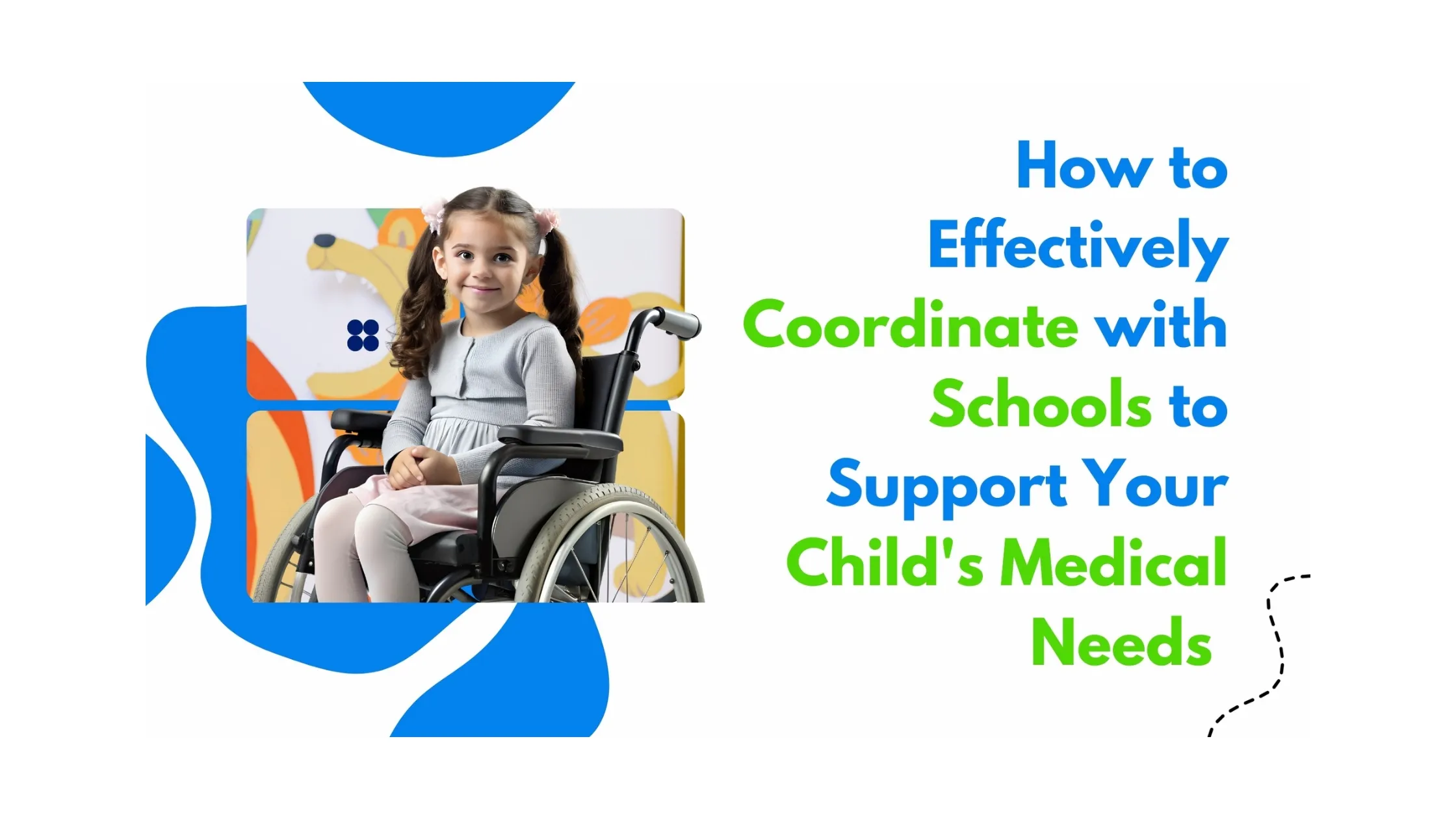
The first day of school should be exciting, but as parents of children with special needs, worry can frequently accompany this excitement. Our child has complex medical needs—medications that must be administered precisely on schedule, equipment that requires monitoring, and emergency protocols that are critical to their health and safety. We spend weeks trying to coordinate with the school, but sometimes conversations feel incomplete. The nurse says she understands, but you’re not confident she truly grasps the complexity of your child’s condition. Teachers seem well-meaning but overwhelmed. The principal keeps reassuring you that “we’ll figure it out,” which doesn’t inspire confidence when your child’s health and safety are at stake.
You’re caught between wanting your child to experience school—the learning, friendships, and normalcy, and the very real fear that the school environment can’t safely accommodate their medical needs. You don’t want to be “that parent” who’s demanding and difficult, but you also can’t risk your child’s well-being. What you desperately need is a clear framework for how to coordinate effectively with schools, advocate appropriately for your child’s needs, and create systems that allow your child to attend school safely while receiving necessary medical support.
We’ve created this practical guide to help you navigate school coordination for children with medical needs, because your child deserves both educational opportunities and appropriate medical support during school hours.
Why Effective Coordination Is Important for Children with Medical Needs
Understanding why coordination matters helps prioritize the time and effort building these relationships requires. Here are key reasons why effective coordination is essential for your child:
- Safety depends on shared information: School staff need current, accurate medical information to respond appropriately to emergencies. They must know how to recognize warning signs of problems, administer treatments correctly, and know when to contact you versus handling situations independently. Without this shared information, children may face health risks during school hours.
- Academic success requires health management: Children can’t focus on learning when experiencing uncontrolled symptoms, missing class for preventable medical issues, or being anxious about whether adults around them understand their needs. Effective health management enables consistent school attendance and engagement that academic achievement requires.
- Prevention reduces crises: Good coordination prevents emergencies through proactive management—recognizing early warning signs, implementing prevention strategies, maintaining treatment compliance, and catching small issues before they escalate. Each prevented emergency means less disruption for children’s education and families’ work schedules.
- Children feel secure and included: Children who know their school understands and can accommodate their medical needs feel safer, more confident, and more included than children who perceive their needs as burdens or inconveniences.
5 Ways to Effectively Coordinate with Schools
#1 Establish Clear Communication Channels and Protocols
Effective coordination requires establishing who communicates what information through which channels and how often—removing ambiguity that causes coordination failures.
Identify your primary school contact for medical issues, typically the school nurse, 504 coordinator, or special education (ESE) case manager. Establishing a clear person or set of people to contact with prevents information from getting lost between multiple staff members who each assume someone else is handling coordination. Set specific communication preferences for different situations—emergencies warrant phone calls, routine updates can be emails, and daily logs might use communication notebooks. Establish regular check-in schedules beyond crisis communication, such as weekly emails or monthly calls, to build relationships and catch small issues before they escalate.
Key actions:
- Always provide medical instructions and care plan updates in writing, even after verbal discussions. This often requires specific care plans that are signed off by your child’s medical team and the school.
- Authorize your child’s medical providers to communicate directly with school nurses when appropriate
- Specify how to reach you during work hours and identify backup contacts when you’re unavailable
- Create documentation systems that track communications and incidents for future reference
#2 Develop Comprehensive, Accessible Care Plans
Detailed care plans that are actually accessible to staff who need them transform good intentions into effective action.
Create appropriate plan types based on your child’s needs—504 plans for accommodations, IEPs for special education services, Individual Healthcare Plans for medical management, and emergency action plans for conditions like seizures or severe allergies. Each plan should include specific, actionable instructions rather than vague guidance. For example, instead of “monitor blood sugar,” specify exactly when and how to check, what numbers are concerning, what actions to take at different levels, and who to notify. Make abbreviated versions of key information accessible to all staff who supervise your child, including classroom teachers, cafeteria workers, and playground supervisors, while maintaining appropriate privacy for detailed medical information.
Essential plan elements:
- Photos of your child so substitutes and specialists can identify them quickly
- Visual aids for medical procedures to help staff remember protocols under stress
- Regular review schedules (at least annually) and immediate updates when medications or conditions change
- Staff training sessions led by school nurses on implementing your child’s specific plan
#3 Build Collaborative Relationships, Not Just Transactional Interactions
Effective coordination happens through genuine relationships built on mutual respect and shared commitment to children’s wellbeing.
Approach schools as partners working toward shared goals rather than adversaries to battle, even when frustrated by past failures. Frame conversations collaboratively—”How can we work together to solve this?”—rather than accusatorily. Recognize the real constraints schools face, including limited nursing staff (often one nurse for hundreds of students), legal restrictions on what unlicensed staff can do medically, and competing demands from many families. Understanding these limitations helps you work within reality rather than fighting against it. Share positive feedback when staff handle situations well, and attend school events when possible to build visibility and relationships beyond medical crisis management.
Relationship-building strategies:
- Thank staff specifically when they manage situations well: “Your attention prevented a bigger problem”
- Educate without condescending—frame information as equipping them with necessary tools
- Acknowledge good school practices to administrators to reinforce programs supporting medical needs
- Participate in IEP meetings, conferences, and volunteer opportunities when your schedule allows
#4 Empower Your Child’s Self-Advocacy and Self-Management
Age-appropriate involvement of children in their own care coordination reduces reliance on adults remembering everything and builds lifelong self-management skills.
Teach children about their conditions at developmentally appropriate levels so they can communicate needs, recognize warning signs, and participate in their care. This knowledge reduces anxiety stemming from confusion about what’s happening to their bodies. Practice self-advocacy through role-playing scenarios where children ask teachers for accommodations or explain their needs to peers. Gradually transfer age-appropriate responsibilities—older elementary children might recognize when they need scheduled medication, middle schoolers might check their own blood sugar, and high schoolers might communicate directly with school nurses about their care.
Self-management tools:
- Picture cards or simple phrases for children with communication challenges to indicate common needs
- Wearable medical alert information that helps staff understand needs when children can’t articulate them
- Peer education sessions (with your child’s permission) so close friends can provide support and understanding
- Regular practice at home with scenarios they might encounter at school
#5 Address Problems Proactively and Navigate Disagreements Constructively
Even with good relationships and clear plans, problems arise. How you address them determines whether coordination improves or deteriorates.
Document all care plans, communications with schools, incident reports, and concerns that arise—this documentation is essential if you need to escalate issues or demonstrate patterns requiring intervention. When problems occur, address them quickly and directly with the specific people involved rather than letting issues fester or immediately escalating to administrators. If informal problem-solving doesn’t resolve issues, use formal channels including requesting IEP meetings, filing complaints with district 504 coordinators, or contacting state education departments. Most conflicts can be resolved through good-faith discussion or mediation before requiring legal intervention, which typically damages working relationships irreparably.
Problem-solving approach:
- Address concerns promptly: “I noticed the medication wasn’t given yesterday—can we discuss what happened?”
- Seek mediation before litigation to preserve ongoing working relationships
- Build coalitions with other families for collective advocacy on systemic issues like additional nursing staff
- Know your rights under Section 504, IDEA, and ADA to advocate effectively and recognize when schools aren’t meeting obligations
Conclusion
Effective school-medical coordination transforms children’s educational experiences from anxiety-producing uncertainty to secure, successful learning environments. By establishing clear communication channels, creating comprehensive accessible care plans, building collaborative relationships, empowering children’s self-management, and addressing problems constructively, families enable schools to support children’s medical needs confidently and competently.
This coordination isn’t just administrative paperwork—it’s the foundation that allows children with medical complexity to access education safely, participate fully in school life, and thrive academically while parents maintain peace of mind knowing their children are understood, supported, and protected during school hours.
FAQs
What’s the difference between a 504 plan and an IEP for medical needs?
504 plans provide accommodations for children whose medical conditions substantially limit major life activities but who don’t require special education services—examples include allowing bathroom breaks for diabetes, providing a quiet space for migraine management, or permitting medication administration. IEPs are for children who need specialized instruction due to disabilities affecting educational performance and include both accommodations and specialized services.
How often should I communicate with my child’s school about their medical needs?
Establish regular check-ins appropriate to your child’s needs—weekly for complex or changing conditions, monthly for stable situations, or quarterly for well-managed conditions. Additionally, communicate immediately whenever medications change, new symptoms emerge, or significant health events occur. Regular communication prevents small issues from becoming crises.
What if my child’s teacher doesn’t follow their medical plan?
First, speak directly with the teacher to understand whether they’re aware of the plan, have questions about implementation, or need additional support. If direct conversation doesn’t resolve the issue, involve the school nurse or 504 coordinator. Document instances of non-compliance and escalate to administration if necessary, as failure to implement required plans may violate legal protections.
Can I require that school staff receive training on my child’s specific condition?
Yes—you can request that relevant staff receive training on your child’s medical needs, particularly for conditions requiring emergency response like seizures, severe allergies, or diabetes. Many schools include staff training requirements in 504 plans or IEPs. You may need to provide training materials or arrange for your child’s medical provider to conduct training sessions.
What should I do if my child has a medical emergency at school that wasn’t handled appropriately?
First, ensure your child receives necessary medical care. Then, request a meeting with school administration to review what happened, why protocols weren’t followed, and what changes will prevent recurrence. Document the incident and your concerns. If the school doesn’t address the issue satisfactorily, file formal complaints with district administration or state education departments.
How can I help my child’s school understand needs that aren’t obvious or visible?
Provide detailed written information about non-visible conditions, explain how symptoms manifest in your child specifically, describe what staff might observe when your child is struggling, and offer to meet with teachers and relevant staff to answer questions. Many schools have limited experience with less common conditions and genuinely appreciate information that helps them support students effectively.