
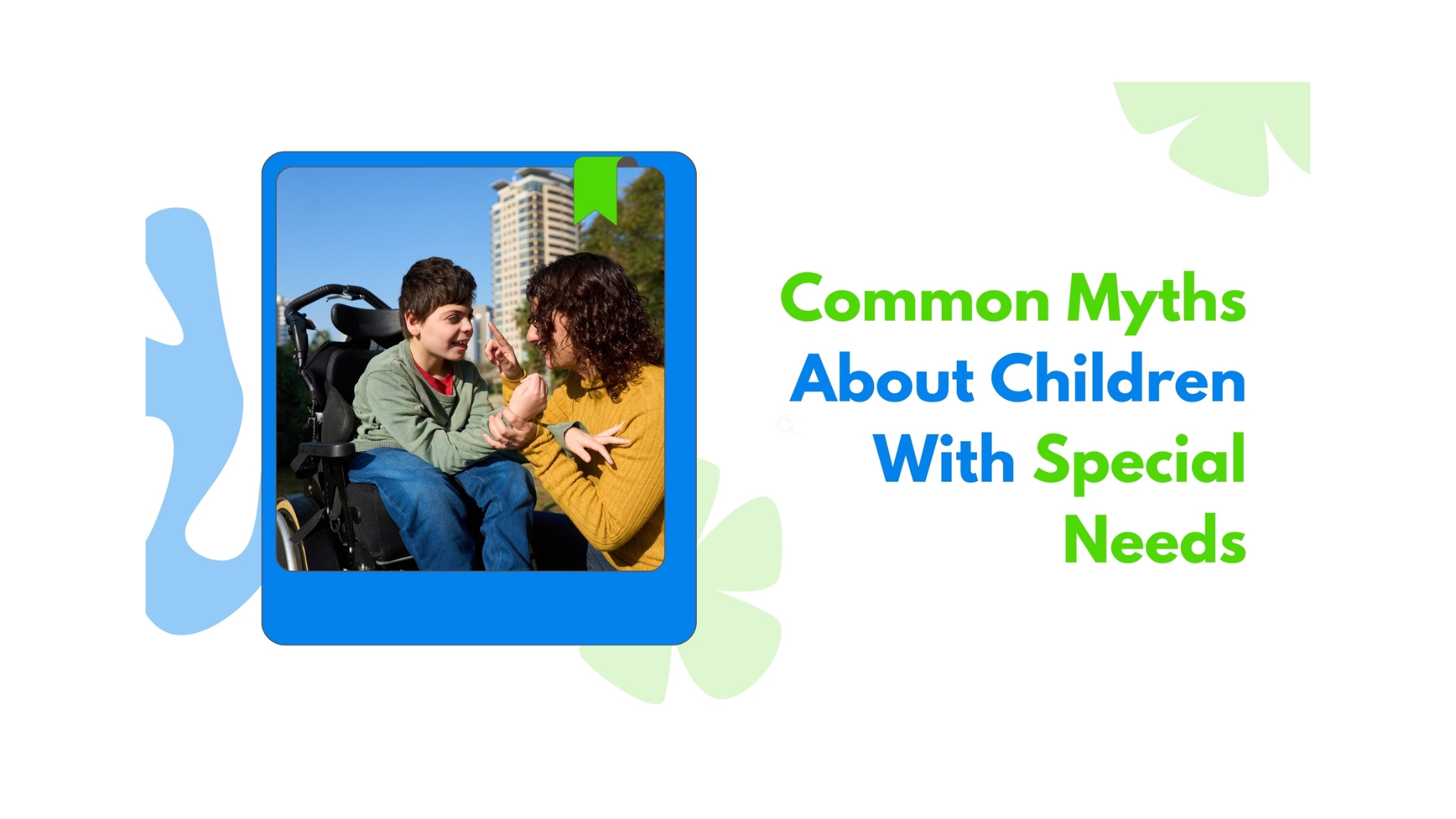
You hear whispers start even before you reach the checkout line. A stranger stares at your child’s adaptive equipment, then looks away quickly. Another shopper offers unsolicited advice about discipline, clearly assuming your child’s behavior stems from poor parenting rather than neurological differences. In the parking lot, someone approaches with that particular expression—the one that mixes pity with discomfort—and says those words you’ve learned to dread: “I could never handle what you’re dealing with. You must be so strong.”
Beyond the practical challenges of managing medical appointments, therapies, and adaptive equipment lies something equally draining—the constant battle against misconceptions, stereotypes, and myths that shape society’s view of your child. These myths don’t just create awkward social encounters; they influence educational opportunities, healthcare access, policy decisions, and whether your child gets invited to birthday parties or included in community activities.
What makes these misconceptions particularly frustrating is how persistently they endure despite decades of advocacy, education, and increased visibility of individuals with disabilities. Even well-meaning people—teachers, healthcare providers, extended family members—unconsciously perpetuate beliefs that limit what they imagine possible for special needs children.
In this blog, we confront five of the most pervasive and damaging myths about children with special needs, replacing misconceptions with accurate information that helps families advocate effectively and helps communities support these children appropriately.
Myth 1: Children With Special Needs Can’t Learn or Make Progress
Perhaps the most harmful myth suggests that children with special needs have fixed limitations that no amount of intervention, education, or support can meaningfully change. This belief manifests in low educational expectations, minimal therapeutic intervention, and attitudes that prioritize managing limitations over developing capabilities.
The Reality: All Children Can Learn and Develop
Research consistently demonstrates that children with special needs make significant developmental progress when they receive appropriate interventions, educational supports, and therapeutic services. The keyword is “appropriate”—interventions must match each child’s specific learning style, developmental level, and individual needs rather than following one-size-fits-all approaches.
Children with special needs benefit from the same neuroplasticity that drives all childhood development—the brain’s remarkable ability to form new neural connections, adapt to challenges, and acquire new skills throughout childhood. This capacity for growth and learning exists regardless of diagnosis, though the rate, method, and ultimate achievements may differ from typical developmental trajectories.
Quality special needs childcare and educational environments recognize this learning potential by setting high but achievable expectations, providing individualized support, celebrating incremental progress, and continuously adjusting approaches based on each child’s response. When adults presume competence and provide appropriate scaffolding, children consistently exceed the limited expectations that myths would impose.
The Danger of Low Expectations
When educators, therapists, or caregivers believe this myth, they unconsciously limit opportunities, oversimplify materials, and fail to challenge children appropriately. These low expectations become self-fulfilling prophecies—children don’t progress because adults don’t provide conditions that enable growth. Families must constantly advocate against institutional low expectations that do more harm than the disabilities themselves.
Myth 2: Families of Special Needs Children Are Always Sad or Overwhelmed
This pervasive myth views families through a lens of perpetual tragedy, assuming that raising children with special needs means constant grief, stress, and sacrifice with no corresponding joy, meaning, or fulfillment.
The Reality: Family Life Is Complex and Multifaceted
Yes, families raising children with special needs face unique challenges—navigating complex medical systems, coordinating multiple therapies, managing financial pressures, and fighting for appropriate services. But these challenges exist alongside genuine joy, deep love, meaningful connections, and pride in their children’s accomplishments.
Families don’t exist in a state of constant mourning. They celebrate milestones that others might not recognize—a child making eye contact for the first time, communicating a need independently, or taking three steps with a walker. They find humor in the absurd situations that often accompany medical equipment and therapy appointments. They build communities with other families who understand their experiences. They discover strengths they never knew they possessed.
The “inspiration porn” narrative that treats families as saints suffering nobly through tragedy is just as harmful as the pity it generates. Families are simply families—doing their best with the circumstances they face, experiencing the full range of human emotions, and deserving support rather than either pity or pedestalization.
What Families Actually Need
Rather than sympathy or admiration, families need practical support—accessible healthcare, quality educational services, financial assistance for equipment and care, respite opportunities, inclusive community spaces, and genuine friendship rather than awkward distance. They require daycare facilities with special needs capabilities so that parents can work, and they need communities that welcome their children rather than treating them as burdens.
Myth 3: Special Needs Children Should Be Segregated From Typical Peers
This myth suggests that children with special needs learn best in separate environments exclusively with other children who have disabilities, and that their presence in mainstream settings disrupts typical children’s education.
The Reality: Inclusion Benefits Everyone
Decades of research demonstrate that inclusive environments, where children with special needs learn alongside their typical peers, produce better outcomes for all children involved. Children with special needs in inclusive settings develop better communication skills, demonstrate more age-appropriate behaviors through peer modeling, and build social connections that combat isolation. Meanwhile, typical children develop empathy, learn to appreciate diversity, and acquire skills in supporting peers with different abilities.
Quality inclusion doesn’t mean simply placing children with special needs in regular classrooms without support. Effective inclusion requires appropriate accommodations, specialized supports, trained staff, and individualized approaches that allow meaningful participation. When implemented effectively, inclusive education benefits everyone, reflecting the reality that people with disabilities are integral to every community.
The Segregation Legacy
Historically, children with disabilities were routinely institutionalized or educated in completely separate settings, reflecting beliefs that they couldn’t learn or that their presence would harm typical children. While specialized settings remain appropriate for some children with intensive needs, the default assumption should be inclusion with supports rather than automatic segregation. Families often fight exhausting battles against school systems that prefer segregated placements because they’re administratively simpler, not because they serve children better.
Myth 4: Medical Technology and Adaptive Equipment Mean Children Are “Suffering”
This myth views feeding tubes, wheelchairs, communication devices, and other adaptive equipment as symbols of suffering rather than as tools that enable fuller participation in life.
The Reality: Adaptive Equipment Increases Independence and Quality of Life
A wheelchair doesn’t represent tragedy—it represents mobility for a child who couldn’t otherwise move independently. A communication device doesn’t symbolize loss—it provides voice to a child who communicates differently. Feeding tubes don’t indicate suffering—they deliver necessary nutrition while potentially preventing the genuine suffering that chronic malnutrition would cause.
Medical technology and adaptive equipment are tools that solve problems and remove barriers, allowing children with special needs to participate more fully in childhood experiences. The equipment itself isn’t the problem; inaccessible environments and social attitudes that stigmatize equipment create the actual barriers.
Children who use adaptive equipment generally view it positively—as helpful tools that enable them to do things they want to do. Adults project pity and discomfort onto equipment that children themselves don’t experience. A child using a communication device to tell jokes with friends isn’t suffering; they’re communicating. A child racing siblings in their wheelchair isn’t tragic; they’re playing.
Supporting Children Who Use Equipment
Rather than pitying children who use adaptive equipment, communities should ensure accessibility, normalize the use of equipment through representation, and focus on the child rather than the tools they use. Families seeking daycare with special needs capacity need centers equipped to support medical technology while treating children as whole people rather than collections of medical conditions.
Myth 5: Parents Caused Their Child’s Disability Through Something They Did or Didn’t Do
This particularly cruel myth suggests that disabilities result from parental behavior—something consumed during pregnancy, vaccines, inadequate prenatal care, or divine punishment for moral failings.
The Reality: Most Disabilities Have Complex or Unknown Causes
The vast majority of disabilities result from genetic variations, prenatal developmental differences, birth complications, or unknown causes completely outside parental control. While certain behaviors during pregnancy (alcohol consumption, drug use) can increase risks, most families did nothing to cause their child’s condition, and nothing they could have done differently would have prevented it.
This myth causes profound, undeserved guilt that compounds the challenges families already face. Parents torture themselves with “what if” questions about decisions that had no causal relationship to their child’s disability. Extended family members sometimes explicitly or implicitly blame parents, creating painful rifts precisely when families need support most.
Even when lifestyle factors did contribute—such as prenatal substance use—shame and blame don’t help anyone. These families deserve compassionate support that addresses their underlying challenges, rather than moral judgment that prevents them from accessing necessary services.
The Vaccine Myth Deserves Special Attention
Despite overwhelming scientific evidence definitively disproving any link between vaccines and autism, this myth persists, causing dangerous declines in vaccination rates. No credible research supports a causal connection between vaccines and autism, and the original fraudulent study claiming this connection was thoroughly debunked and retracted. Parents should feel confident that vaccinating children protects them from serious diseases without causing developmental disabilities.
How Myths Harm Children With Special Needs
These myths don’t exist in isolation—they create real consequences that limit opportunities and support for children with special needs:
Educational Impact: Low expectations lead to a watered-down curriculum, segregated placements, and a failure to provide appropriate challenges that enable growth.
Healthcare Access: Assumptions about quality of life lead some medical providers to recommend limiting aggressive treatment or suggest that children’s lives aren’t worth the same medical investment as those of typical children receive.
Social Isolation: Myths about what children with special needs can do or enjoy lead to exclusion from typical childhood activities, birthday party invitations, and community programs.
Resource Allocation: Beliefs that children can’t progress significantly or that families are irreparably damaged influence policy decisions regarding funding for special needs childcare, educational supports, and family services.
Family Stress: Constant confrontation of myths and misconceptions adds emotional burden beyond the practical challenges families already manage.
Replacing Myths With Truth
Combating these myths requires active effort from families, educators, healthcare providers, and communities:
Presume Competence: Assume children can understand and learn until proven otherwise, and even then, continue providing stimulation, communication, and growth opportunities.
Use Person-First or Identity-First Language Respectfully: Honor family preferences about whether they prefer “child with autism” or “autistic child,” recognizing that both respect the whole person.
Focus on Abilities and Potential: While acknowledging challenges, emphasize what children can do and work toward rather than cataloging deficits.
Provide Inclusive Opportunities: Create spaces where children with special needs participate alongside typical peers with appropriate supports rather than automatic segregation.
Support Families Practically: Offer concrete help, such as providing accessible special needs childcare, respite services, and financial support, rather than just pity or admiration.
Educate Others: When encountering myths, gently correct misinformation with accurate information, helping shift community understanding.
Final Thoughts
Myths about children with special needs persist because they’re comfortable for people who don’t live this reality. It’s easier to believe that disabilities mean tragic, limited lives than to confront how much society’s barriers and low expectations limit what’s possible. It’s simpler to pity families than to actually provide the support systems that would make their lives more manageable. It’s more convenient to segregate children with special needs than to invest in truly inclusive environments.
But comfortable myths harm real children and families. They create artificial limitations that have nothing to do with actual disabilities and everything to do with society’s failure to imagine fuller possibilities. At PPEC of Palm Beach, we build our entire care philosophy on rejecting these myths. We presume competence, celebrate progress, provide comprehensive medical support alongside developmental activities, work as genuine partners with families, and create inclusive environments where children with special needs experience the joy of childhood alongside necessary medical care. We know that behind every diagnosis is a complete child with preferences, personality, potential, and the right to be seen accurately rather than through the distorting lens of comfortable myths.
FAQs
What terminology should I use when talking about disabilities?
Language preferences vary among families and disability communities. Some prefer person-first language (“child with autism”), emphasizing the whole person, while others prefer identity-first language (“autistic child”), recognizing disability as integral to identity. When possible, ask individual families for their preferences and honor them.
How can I support families raising children with special needs?
Provide practical support rather than pity—offer specific help, such as bringing meals, providing respite care, or researching special needs childcare options. Include children with special needs in invitations and activities, providing them with appropriate accommodations. Listen without judgment when families need to express their emotions. Advocate for inclusive policies in your community.
Do all children with special needs need specialized daycare?
Not all children with special needs require medical daycare; some thrive in inclusive, mainstream settings with appropriate support. However, children with complex medical needs requiring skilled nursing care throughout the day do need specialized environments like PPEC that can safely manage medical equipment, medications, and potential emergencies while providing developmental activities.
Can children with special needs live happy, fulfilling lives?
Absolutely. Quality of life depends far more on support systems, community inclusion, and access to appropriate services than on the diagnoses themselves. With proper support, most children with special needs experience joy, form meaningful relationships, develop their capabilities, and live fulfilling lives by any reasonable definition. The barriers society creates through inaccessibility and low expectations often limit quality of life more than disabilities themselves do.
How do I explain disabilities to my typical child?
Use simple, age-appropriate, matter-of-fact language emphasizing that everyone has different abilities and needs. Explain adaptive equipment as helpful tools, similar to how glasses help people see. Encourage questions and answer honestly without creating fear or pity. Model inclusive behavior by including children with special needs in activities and treating them with the same respect as their peers.