
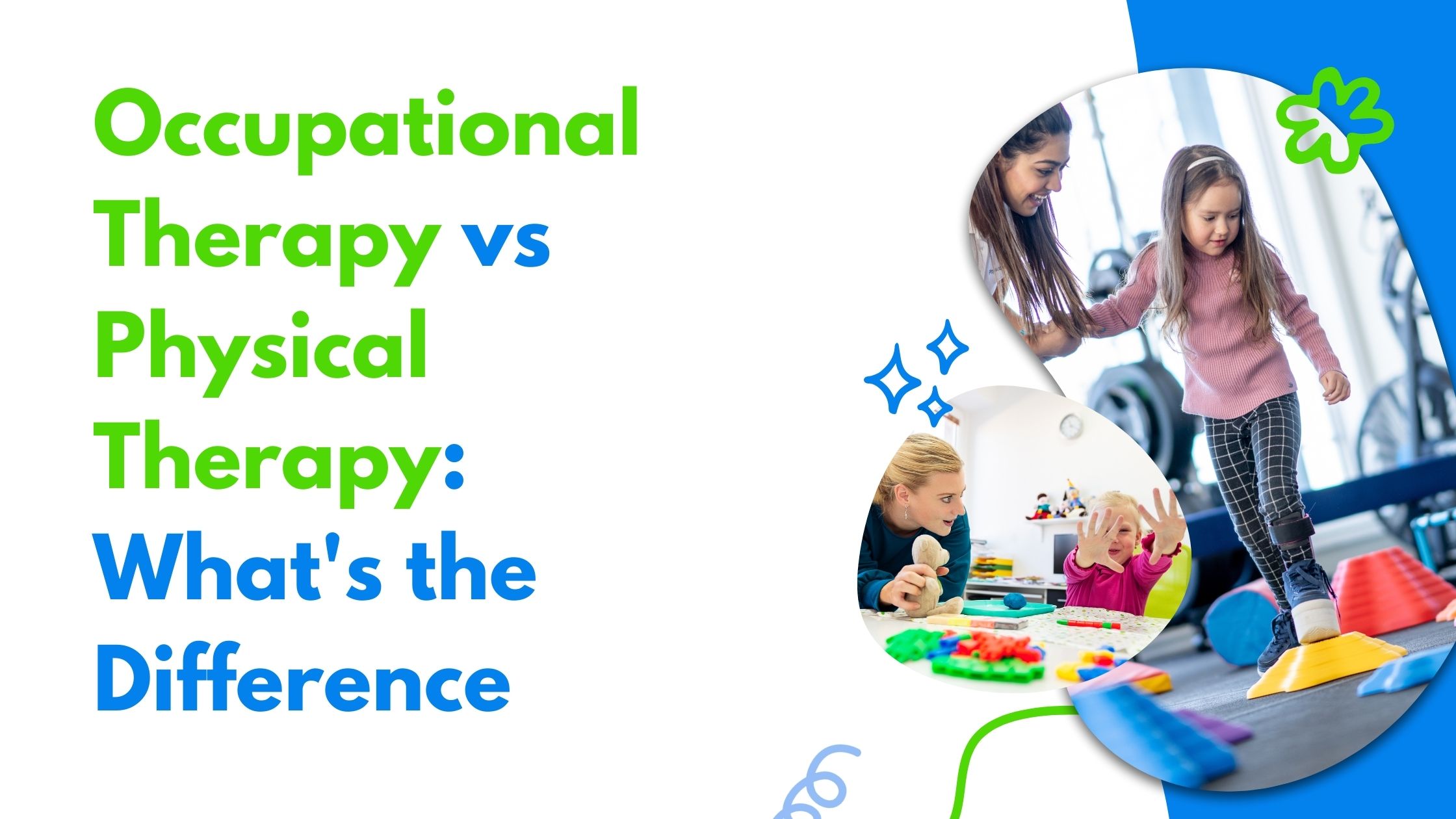
Parents searching for treatments for their kids often come across advice about occupational therapy (OT) and physical therapy (PT). Despite their shared rehabilitation heritage, and regular cooperation within treatment teams, they have evolved separately and have different focus, orientations and intervention methods. Knowing these differences allows families to make informed decisions about which services may most effectively meet their child’s particular developmental needs. Both therapeutic disciplines provide essential support for children with developmental challenges, but their unique perspectives create complementary pathways toward functional independence and enhanced quality of life.
Core Distinctions Between Occupational and Physical Therapy
The fundamental difference between these disciplines lies in their primary focus and orientation:
Primary Focus Areas
Occupational therapy concentrates on enabling participation in meaningful daily activities, the “occupations” that fill a child’s life. These include self-care routines, educational engagement, play experiences, and social interactions. Occupational therapists address how developmental, sensory, or physical challenges affect a child’s ability to engage successfully in these essential life tasks.
Physical therapy primarily addresses body structures and movement systems that support functional mobility. Physical therapists focus on developing gross motor skills, improving strength and endurance, enhancing coordination exercises patterns, addressing postural control, and optimizing movement efficiency for independent mobility and physical participation.
Theoretical Foundations
Occupational therapy operates from a holistic perspective that considers how physical, cognitive, sensory, and emotional components interact to support functional independence. OT practitioners emphasize how children engage with their environments and how meaningful activities drive developmental progress and quality of life.
Physical therapy utilizes biomechanical principles, examining how body structures, musculoskeletal systems, and neurological functions support movement capabilities. PT practitioners analyze movement patterns, muscle function, joint mobility, and neuromotor control as foundational elements for physical independence.
Assessment and Intervention Approaches
Assessment methods and intervention techniques reflect the unique perspectives of each discipline:
Evaluation Methods
Occupational therapy assessments typically examine:
- Fine motor skill development including grasp patterns and tool manipulation
- Sensory processing across multiple sensory systems
- Visual-perceptual and visual-motor integration
- Self-care independence and functional task completion
- Play skill development and social participation
- Environmental influences on task performance
Physical therapy evaluations generally measure:
- Gross motor developmental milestones and sequence
- Muscle strength, tone, and endurance measurements
- Joint range of motion and stability assessment
- Gait pattern analysis and mobility function
- Balance and coordination capabilities
- Neuromotor reflexes and movement quality
Therapeutic Techniques
Occupational therapists frequently employ:
- Sensory integration interventions addressing neurological processing
- Fine motor skill development through graduated challenges
- Adaptive strategy training for daily task completion
- Environmental modifications supporting participation
- Visual-motor activities enhancing handwriting and tool use
- Play-based interventions building developmental foundations
Physical therapists typically utilize:
- Therapeutic exercise programs developing strength and endurance
- Neurodevelopmental treatment approaches optimizing movement patterns
- Gait training enhancing mobility function and safety
- Balance activities improving stability and coordination
- Manual therapy techniques addressing mobility limitations
- Functional movement training supporting physical independence
Common Intervention Areas and Overlapping Domains
While maintaining distinct approaches, these disciplines address many overlapping developmental domains:
Occupational Therapy Primary Domains
Occupational therapists typically take lead responsibility for:
- Handwriting and fine motor tool use development
- Self-feeding skills including oral-motor coordination
- Dressing and self-care independence
- Sensory processing and regulation challenges
- Visual-perceptual skill development
- Executive functioning and organizational strategies
- Play skill development and social interaction supports
Physical Therapy Primary Domains
Physical therapists generally assume primary responsibility for:
- Gross motor milestone achievement sequence
- Mobility equipment assessment and training
- Muscle strengthening programs addressing specific deficits
- Gait pattern development and correction
- Postural control and alignment optimization
- Motor planning for complex physical activities
- Sports-related skill development and injury prevention
Collaborative Intervention Areas
Several developmental domains benefit from collaborative approaches:
- Coordination development spanning fine and gross motor systems
- Sensory-motor integration connecting sensory processing with movement
- School-based functional participation requiring multiple skill sets
- Equipment adaptation supporting positioning and task completion
- Play-based developmental activities building multiple skill areas
- Self-regulation strategies affecting both emotional and physical control
Understanding Therapeutic Outcomes
Therapy goals reflect each discipline’s distinct focus while supporting overall child development:
Occupational Therapy Outcomes
Successful occupational therapy intervention typically results in:
- Independent completion of age-appropriate self-care routines
- Successful manipulation of classroom tools and materials
- Improved sensory processing supporting focused attention
- Enhanced play complexity and peer interaction quality
- Classroom participation with appropriate adaptations
- Development of compensatory strategies for ongoing challenges
Physical Therapy Outcomes
Effective physical therapy intervention generally produces:
- Age-appropriate gross motor milestone achievement
- Efficient movement patterns supporting energy conservation
- Independent mobility within relevant environments
- Improved strength and endurance for physical activities
- Enhanced coordination for recreational participation
- Development of proper body mechanics preventing injury
Choosing Appropriate Services
Several factors guide families in determining which services might benefit their child:
When Occupational Therapy May Be Primary
Children may benefit primarily from occupational therapy when demonstrating:
- Significant fine motor or visual-motor coordination challenges
- Sensory processing differences affecting daily functioning
- Self-care skill development delays despite adequate physical capability
- Attention and organizational challenges affecting task completion
- Play skill limitations despite adequate gross motor ability
- Handwriting difficulties affecting educational performance
When Physical Therapy May Be Primary
Physical therapy might serve as the primary intervention when children show:
- Delayed gross motor milestone achievement
- Abnormal movement patterns affecting functional mobility
- Muscular weakness impacting physical activity participation
- Balance and coordination challenges creating safety concerns
- Neurological conditions primarily affecting movement systems
- Orthopedic conditions requiring specialized movement intervention
When Combined Services Provide Optimal Support
Many children benefit from concurrent therapy services when:
- Developmental challenges span multiple domains
- Complex diagnoses affect both fine and gross motor development
- Neurological conditions impact sensory processing and movement
- Intervention goals require coordinated approaches across disciplines
- School participation requires integrated support strategies
- Home programs benefit from comprehensive developmental approaches
For children with complex medical conditions, therapy often works best when combined with ongoing medical support. A PPEC medical daycare provides skilled nursing, developmental therapies, and continuous health monitoring in one setting, allowing children to receive coordinated care while making steady progress toward their developmental goals.
Coordination Between Therapy Services
Families often achieve the best outcomes when therapy services are well coordinated. Whether your child receives occupational therapy, physical therapy, or a comprehensive program like peach pit therapy, collaboration among healthcare professionals helps ensure treatment goals are aligned, and every therapy session builds on the child’s overall progress.
Communication Strategies
Effective therapeutic outcomes depend on consistent communication between providers. A whole-child approach encourages regular information sharing among healthcare professionals, ensuring coordinated care, preventing conflicting recommendations, and reducing overwhelming therapy schedules for children and their families.
- Joint goal-setting: Establishing complementary objectives across disciplines
- Shared documentation: Using systems allowing information exchange
- Team meetings: Scheduling regular discussions about progress
- Home program coordination: Developing manageable, integrated strategies
- Consistent terminology: Using shared language across providers
Practical Management Considerations
Managing multiple therapy services requires organizational strategies that support consistency while preventing family overwhelm. Thoughtful planning helps maximize therapeutic benefits while maintaining sustainable family routines.
- Centralized scheduling: Using unified calendar systems for appointments
- Documentation systems: Maintaining records of recommendations
- Provider communication: Facilitating information sharing between therapists
- Energy management: Scheduling sessions to optimize child participation
- Team reviews: Conducting periodic evaluations of overall progress
Finding Qualified Providers
Identifying appropriate therapy providers involves understanding professional credentials and specialized training:
Occupational Therapy Credentials
Qualified occupational therapy providers maintain:
- OTR (Registered Occupational Therapist) or COTA (Certified Occupational Therapy Assistant) credentials
- State licensure meeting regional practice requirements
- Pediatric specialty certifications for specific intervention approaches
- Advanced training in relevant areas like sensory integration or feeding therapy
- Experience with the child’s specific developmental challenges
Physical Therapy Credentials
Qualified physical therapy providers hold:
- PT (Physical Therapist) or PTA (Physical Therapy Assistant) credentials
- State licensure meeting practice requirements
- Pediatric specialty certifications for developmental intervention
- Advanced training in relevant neuromotor treatment approaches
- Experience with the child’s specific physical challenges
Insurance and Access Considerations
Understanding service coverage helps families plan for therapeutic intervention:
Coverage Patterns
Coverage patterns often differ between therapy types:
- Medical necessity criteria sometimes vary between therapy disciplines
- Visit limitations may apply differently to each therapy type
- Documentation requirements often reflect discipline-specific terminology
- Pre-authorization processes may differ between service types
- Out-of-network benefits sometimes vary between therapy categories
Educational Entitlement Services
School-based services follow specific eligibility guidelines:
- Educational need determination varies between therapy disciplines
- School-based vs. medically-based service coordination requires attention
- IEP documentation specifies minutes for each therapy discipline
- Educationally relevant goals may emphasize different aspects of function
- School-based provider availability varies between disciplines
Conclusion
Occupational therapy and physical therapy each play an essential role in helping children achieve greater independence and improve their quality of life. For families seeking a comprehensive approach, specialized care pediatrics PPEC programs combine skilled nursing, multiple therapy services, and individualized developmental support in one coordinated setting. This collaborative model ensures children receive the medical, therapeutic, and educational support they need to reach their fullest potential.
Common Questions About OT and PT
Can my child receive both occupational and physical therapy simultaneously?
Yes, many children benefit from concurrent therapy services. Treatment schedules typically coordinate intervention frequency and timing to maximize effectiveness while managing family resources and preventing therapeutic overload.
How do I know which therapy service my child needs first?
Comprehensive developmental evaluation often identifies primary areas of need, determining which service might be most beneficial initially. Many therapy centers offer multidisciplinary assessments providing coordinated recommendations regarding service prioritization.
Do these therapies always require separate appointments?
While traditionally provided separately, some rehabilitation models offer integrated sessions with both disciplines present simultaneously. School-based services sometimes utilize co-treatment approaches maximizing therapeutic effectiveness while minimizing educational disruption.
Will my insurance cover both therapy types if needed?
Most insurance plans cover medically necessary services from both disciplines, though specific coverage limits, visit caps, and authorization requirements vary significantly between plans. Insurance verification before beginning services helps families understand potential financial considerations.
How long will my child need these therapy services?
Therapy duration varies substantially based on developmental needs, with some children requiring short-term intervention addressing specific skill development while others benefit from ongoing support throughout developmental stages. Regular progress assessment determines continuation needs and intensity adjustments.