
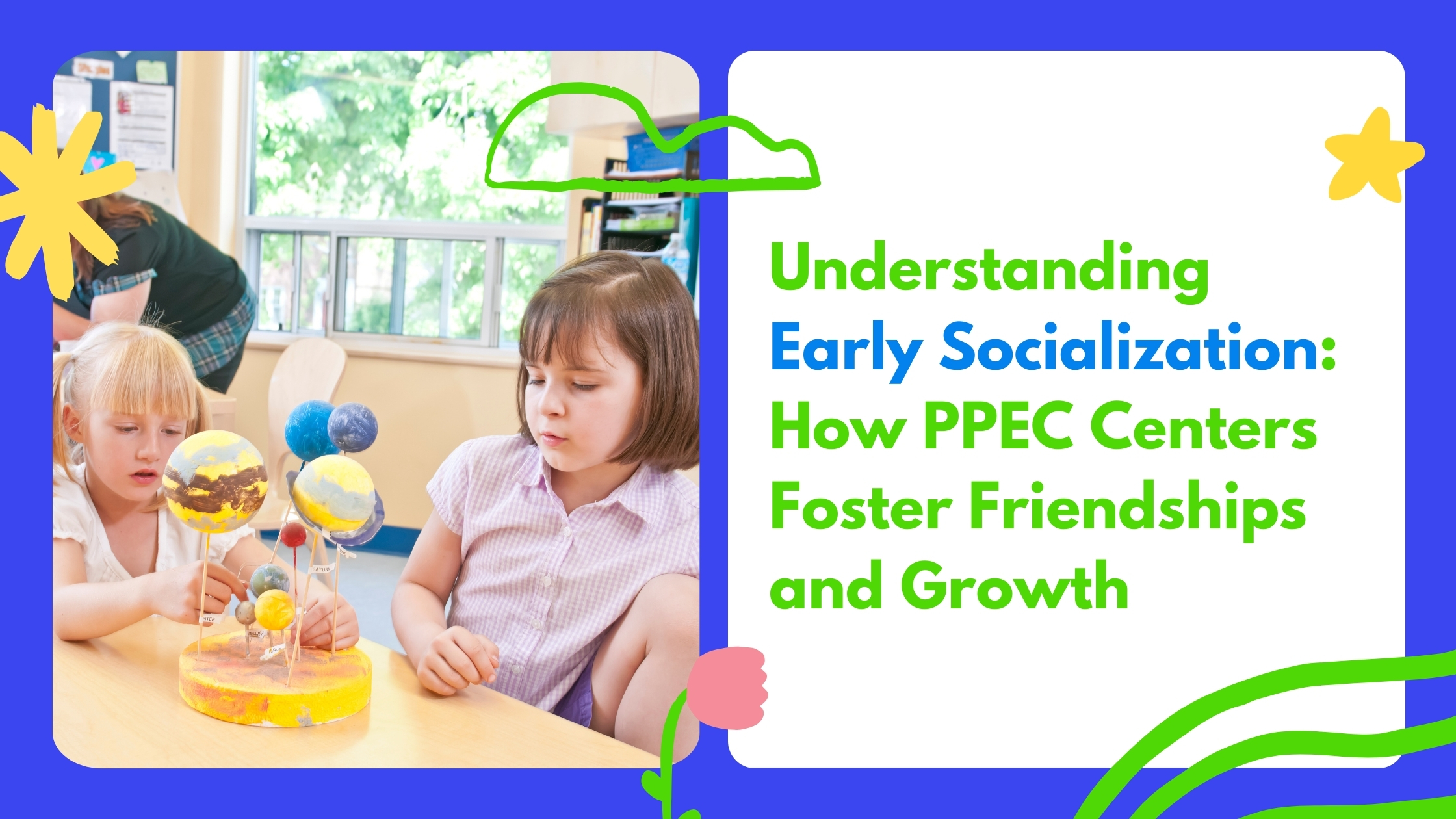
Early childhood development is deeply interlinked with socialization as it forms the foundation through which children develop connections, communication skills, and relationships. However, children with specialized medical needs may have fewer opportunities for valuable social interactions and emotional support, both of which are essential for healthy development. Children who attend Prescribed Pediatric Extended Care (PPEC) centers benefit from a nurturing environment where they can build meaningful relationships, gain confidence, and develop important emotional and cognitive skills. Daily social interactions at PPEC centers help lay the foundation for lifelong communication and interpersonal abilities. Through personalized care, structured activities, peer engagement, and consistent emotional support, PPEC centers empower children with special needs to thrive socially while supporting their overall well-being. Here are some important insights into early socialization and how PPEC centers foster meaningful relationships.
Benefits of Socialization Outside the Home
Social interaction remains essential for child development because it supports emotional, intellectual, and behavioral growth. It also helps children develop fundamental skills such as communication, problem-solving, empathy, self-regulation, and cooperation, which shape how they interact with their parents, peers, and others around them. Activities such as play therapy can further strengthen these skills by encouraging children to express emotions, build confidence, develop social connections, and learn through guided play in a supportive environment. Some of the key benefits of socialization include:
Understanding and Relating to Others
Learning emotional intelligence skills can help children to interact better with their peers. When children are outside of their home environment, they acquire the ability to identify emotions and learn suitable interactions with others, helping them to develop empathy skills. Regular social exchanges between children help them learn vital social signals, including nonverbal communication, which prepares them for future connections.
Expression and Communication
Organized social activities in a PPEC medical daycare give children different ways to share their thoughts and express their feelings. These activities help children develop both verbal and non-verbal communication skills while encouraging them to express their ideas and understand the importance of listening to others. Through regular social interactions, children build confidence, strengthen their communication abilities, and develop meaningful relationships with their peers.
Sharing and Problem-Solving
Children typically engage in activities that involve sharing with others and cooperating with their peers. With guidance from staff, they develop problem-solving skills and learn how to communicate effectively with friends. Staff members promote these skills by modeling positive interactions, redirecting conflicts, and encouraging compromises. Through these shared experiences, children gain a deeper understanding of others, learn patience, and build essential conflict-resolution skills.
Building Self-Confidence
Children who spend regular time with their peers build up their self-identity. Increased communication and interactions with friends give children a growing sense of self-confidence. Personal assurance develops into future social achievement potential.
Creating an Inclusive Community
Exposure to children of diverse backgrounds teaches children to accept people’s differences and allows them to relate to one another. This exposure teaches children how to value human differences so they can build connections without considering physical differences or differences in identity among themselves and others.
How PPEC Centers Foster Friendships and Growth
At PPEC of Palm Beach, we create an environment that promotes positive social development through thoughtful room placement and age-appropriate grouping. Children are matched with peers of similar ages and activity levels. This ensures that each child’s developmental needs are met while fostering natural friendships. Our approach emphasizes positive reinforcement of good behavior, creating a supportive atmosphere where children feel safe to explore and interact. Through structured activities and supervised play, children develop social skills while receiving the specialized care they need.
Structured Activities and Free Play
Our daily schedule integrates structured group activities with supervised free play to develop social skills in both guided and spontaneous settings. This structure emphasizes peer collaboration through targeted activities that build specific social-emotional skills. As part of our specialized care pediatrics PPEC approach, these activities also incorporate cognitive and physical development, allowing children to strengthen motor skills, improve problem-solving abilities, and build meaningful social connections. This balanced approach helps children develop both structured social skills and natural interaction patterns in a supportive, nurturing environment.
Professional Guidance and Support
PPEC staff members facilitate social skill development through evidence-based interventions and behavioral modeling. They provide targeted support during peer interactions, teaching conflict resolution strategies and appropriate communication techniques. Staff members monitor social dynamics, identify potential challenges, and implement preventive measures to ensure positive social experiences. This professional oversight helps children develop age-appropriate social boundaries and sustainable friendship-building skills. PPEC also welcomes registered behavioral technicians (RBTs) for children who may need additional support.
Positive Reinforcement System
We promote and systematically recognize and reward positive social interactions among peers. This evidence-based approach strengthens desired behaviors through immediate acknowledgment and consistent reinforcement. The system focuses on specific social milestones such as healthy self-expression, taking turns, empathetic responses, and cooperative play. By targeting these key behaviors, we create measurable improvements in social skill development.
Family Engagement
We ensure continuity between center-based and home-based social development. We provide structured feedback on social progress through regular assessments and documented observations. Parents can receive strategies for reinforcing social skills at home, along with measurable progress indicators. PPEC of Palm Beach is happy to include scheduled family involvement opportunities and access to professional resources for supporting social development.
Conclusion
Early socialization in a PPEC setting provides children with essential life skills that extend far beyond simple social interactions. The combination of specialized care, structured socialization, and support from a pediatric physical therapist helps children build confidence, improve mobility, and actively participate in group activities while forming meaningful friendships. At PPEC of Palm Beach, we remain committed to fostering these crucial early experiences, ensuring each child has the opportunity to develop the social skills they need for future success. Through our carefully designed programs, professional support, and inclusive environment, we help lay the foundation for lifelong social and emotional well-being for children with special needs.