
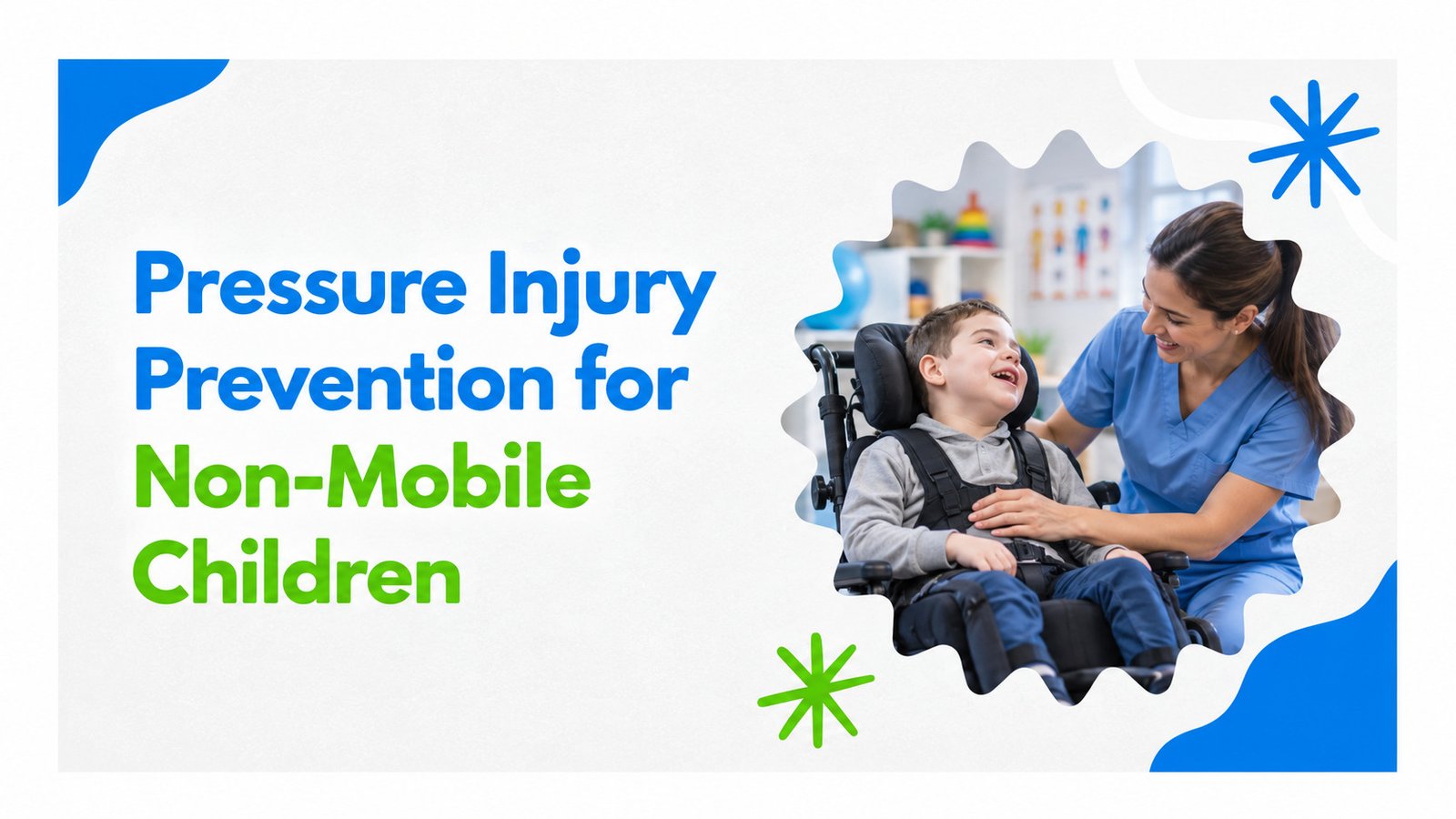
For children who can’t shift their own weight or reposition themselves, staying in one spot for too long can lead to significant skin damage. Pressure injuries, sometimes called pressure sores or bedsores, can develop faster than many parents realize, especially in children with limited mobility, fragile skin, or reduced sensation. What might start as a small area of redness can, without proper attention, progress into something far more serious.
If your child has reduced mobility due to a medical condition, this is probably a risk you’ve already thought about. You may have wondered whether it’s truly possible to prevent it consistently, especially outside your own watchful eye at home. Pressure injury prevention is a standard part of good nursing care anywhere your child is seen, and it’s just as much of a priority here at PPEC of Palm Beach. We want you to know exactly what that looks like day to day, since it’s not a single check, but a continuous part of how our nurses care for your child.
What Is a Pressure Injury and Why Does It Happen?
A pressure injury occurs when sustained pressure on the skin, usually over a bony area like the heels, hips, tailbone, or shoulder blades, restricts blood flow to that area. Without adequate blood flow, skin tissue underneath can begin to break down. This often starts as redness and, if it remains unaddressed, can become an open wound that is painful, slow to heal, and prone to infection.
Children who are non-mobile face a higher risk because they can’t independently shift their weight or reposition themselves naturally throughout the day. Add in factors like fragile skin, limited nutrition, incontinence, or reduced sensation- where a child may not feel the early discomfort that would normally prompt a shift in position- and the risk becomes even more significant.
Why This Matters So Much for Children with Medical Complexities
Many children at PPEC of Palm Beach have conditions that raise their risk of developing pressure injuries, whether due to limited mobility, altered sensation, or medical equipment that stays in contact with the skin for extended periods. For these children, prevention requires ongoing attention throughout the day.
Left unaddressed, pressure injuries can lead to pain, infection, and in severe cases, hospitalization. However, current clinical guidance suggests that pressure injuries are largely preventable with consistent, individualized care. We ensure that our clinical team treats prevention with the same seriousness as any other clinical need. .
How PPEC Nurses Prevent Pressure Injuries
Regular Repositioning
One of the most effective prevention strategies is simple but requires consistency: regularly repositioning a child who cannot move independently. PPEC nurses follow a structured repositioning schedule throughout the day, shifting a child’s position to relieve pressure on vulnerable areas before skin damage can begin. The time intervals and placement for repositioning are individualized to each child’s mobility level, medical equipment, and the support surfaces that they’re using.
Skin Assessments
Nurses perform regular skin checks, paying close attention to bony areas of the body, and looking for early signs of redness, warmth, or changes in skin texture. Catching these early warning signs allows the care team to intervene immediately, often treating a minor issue from progressing further.
Proper Positioning and Support Surfaces
Using appropriate cushions, positioning devices, and support surfaces helps distribute a child’s weight more evenly and reduce pressure on high-risk areas. PPEC nurses work with each child’s specific equipment, whether a wheelchair, stander, or specialized seating, to ensure it’s being used in a way that actively supports skin protection, not just support the body. PPEC of Palm Beach’s Family Resource Specialist and therapy team will also help to secure equipment that helps to prevent pressure injuries.
Skin Care and Hygiene
Keeping skin clean, dry, and appropriately moisturized helps maintain its natural resilience. This is especially important for children who experience incontinence, where prolonged moisture against the skin can significantly increase the risk of breakdownk if not managed carefully and consistently.
Nutritional Support
Skin health is closely tied to nutrition. Children who are underweight or dealing with medical conditions that impact the GI tract may have thinner, more fragile skin that’s more susceptible to injury. Nurses coordinate with the broader care team to help ensure nutritional needs are being met as part of a comprehensive prevention approach.
Equipment and Device Monitoring
Medical equipment, like braces, splints, feeding tube attachments, and similar devices can create pressure points if not properly fitted or monitored. This is especially important for pediatric patients, whose growth can change the placement and fit of these devices. PPEC nurses regularly check equipment placement and skin contact points to catch any friction or pressure issues before they cause harm. They will also help to schedule equipment and orthotic clinics for regular adjustments as needed.
Integration Into the Full Day
Pressure injury prevention isn’t confined to a single nursing task. At PPEC of Palm Beach, our nurses coordinate closely with therapists and the entire care team to ensure positioning and skin protection strategies are followed consistently, during therapy sessions, mealtimes, and rest periods alike.
This kind of continuous, team-wide attention is difficult to replicate outside a setting specifically designed and staffed for medically complex care. It’s a key reason why consistent prevention protocols make such a meaningful difference.
Children Who Benefit Most From Pressure Injury Prevention Protocols
Pressure injury prevention is especially important for children who:
- Have limited or no independent mobility due to conditions such as cerebral palsy or spinal cord injuries
- Experience reduced sensation, making them less able to feel or respond to discomfort from prolonged pressure
- Rely on wheelchairs, specialized seating, or positioning equipment for extended periods
- Have fragile or thin skin due to underlying medical conditions or nutritional challenges
- Experience incontinence, increasing moisture-related skin breakdown risk
Signs Parents Should Watch For
While our team manages daily prevention, it helps for families to know the early warning signs, too, including:
- Persistent redness that doesn’t fade after repositioning
- Skin that feels unusually warm or firm to the touch
- Complaints of discomfort in areas where your child can communicate pain
- Any visible skin breakdown, no matter how small (this can look like discoloration, a blister, a scrape or open area, or a spot that looks moist, oozing, or crusted)
If you notice any of these signs, whether at home or after a day at PPEC, please let our team know right away so we can address it together.
Conclusion
Protecting your child’s skin might seem like a behind-the-scenes part of their care, but it’s one of the most consistent forms of protection we provide every single day. At PPEC of Palm Beach, our nurses treat pressure injury prevention with the same seriousness and attentiveness as any other medical need, because we know how much it matters to your child’s comfort and overall health.
If you have questions about how we support your child’s skin health throughout their day with us, we’re always happy to talk it through.
FAQs
What is a pressure injury, and why do non-mobile children have an increased risk to develop one?
A pressure injury develops when sustained pressure restricts blood flow to the skin, most often over bony areas. Children who can’t reposition themselves independently are at higher risk because pressure isn’t naturally relieved throughout the day.
How often are children repositioned at PPEC?
PPEC nurses follow a structured repositioning schedule tailored to each child’s specific needs, ensuring pressure is relieved regularly throughout the day and addressing the dynamic factors that may increase a child’s risk of developing pressure sores.
Can pressure injuries be fully prevented?
With consistent repositioning, skin assessments, and proper equipment use, pressure injuries are largely preventable, which is why prevention is treated as an ongoing daily priority at PPEC.
What should I do if I notice redness or skin changes at home?
Please contact your child’s PPEC care team right away so we can assess the area and adjust care strategies as needed, working together to prevent further skin breakdown.
To Learn More, Visit: